COMMERCIAL SOLAR
Commercial Solar
Use roof area, daytime demand and operational plans to build a system that fits the business.
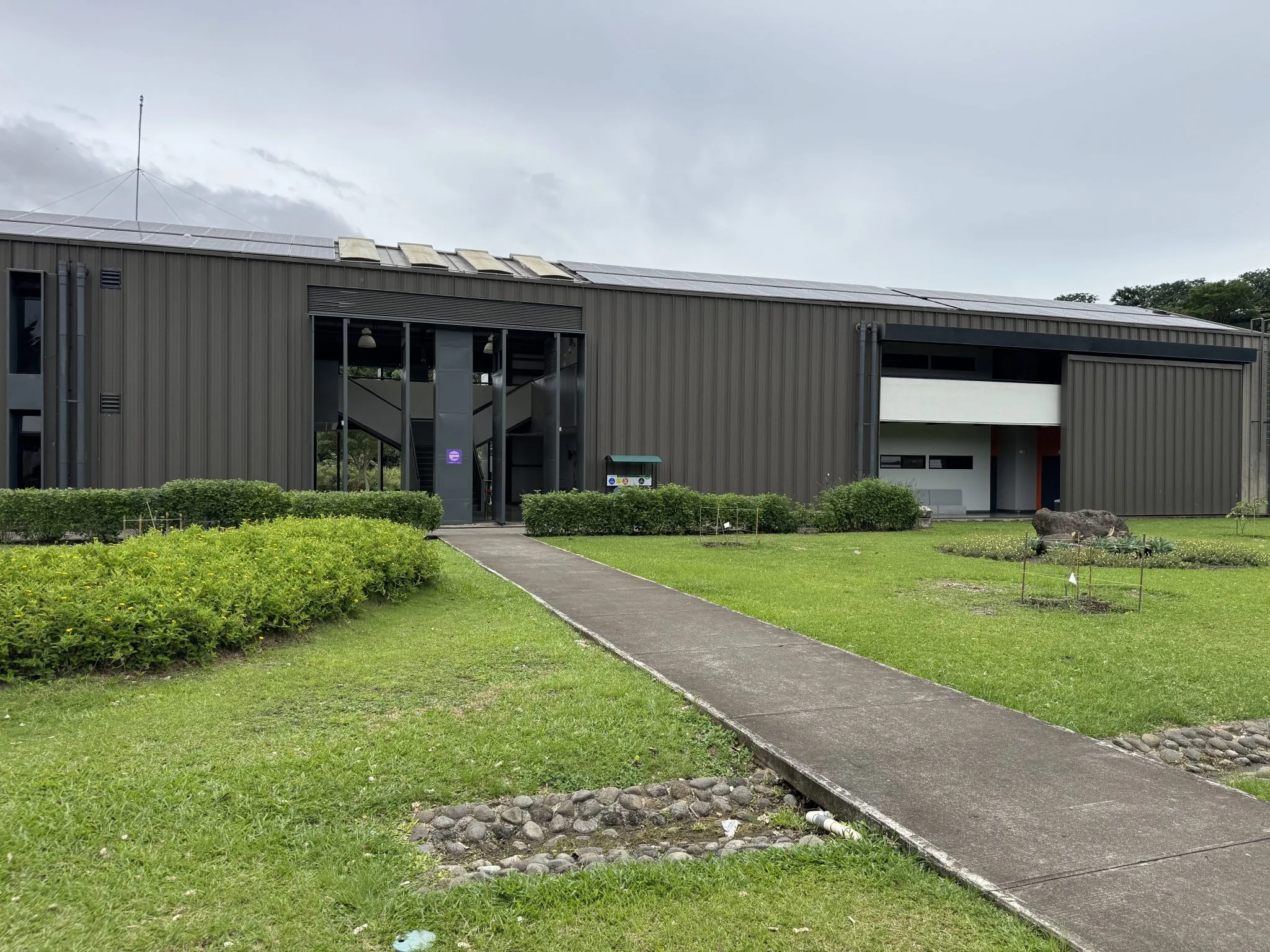
DAYTIME LOAD
Commercial solar
Design for the load. Use the roof as the asset.
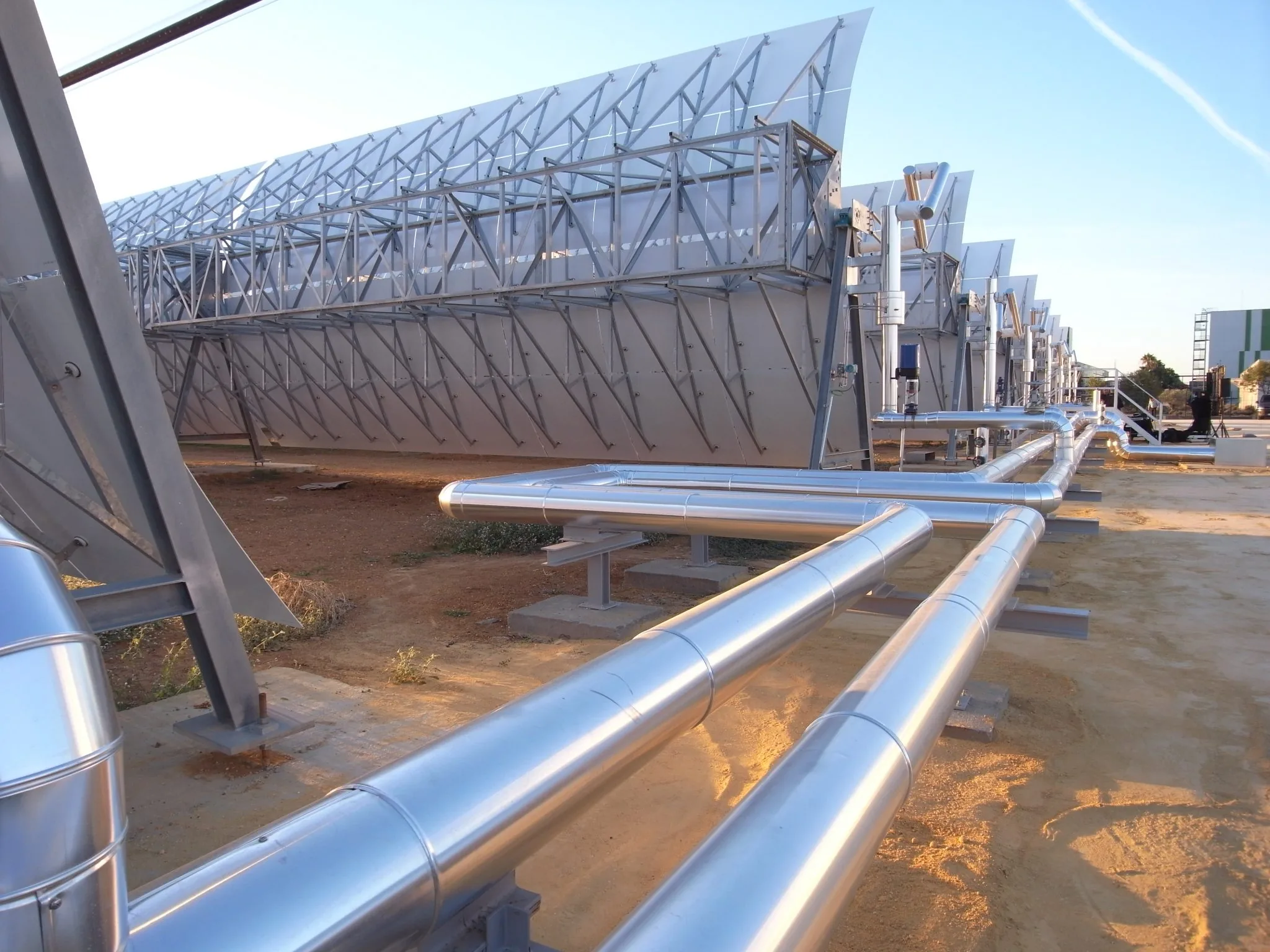
Design priorities
Demand. Downtime. Expansion.
Working hours, electrical loads, available roof zones, installation access and future electrification belong in the same project brief.
No mystery box
One brief. Three layers. Four stages. One team.
01
building brief
03
system layers: generation, storage, control
04
clear project stages
01
team accountable for the whole design
One connected system
Power should move where it is useful.
The design decides what happens first: use solar directly, charge storage, support the building later or interact with the grid according to the installed configuration.
SOLAR
generate
→
BUILDING
use
↔
BATTERY
store
↔
GRID
balance
From roof to dashboard
Four moves. No mystery box.
01
Read the building
Roof, orientation, shading, meter data and future plans go into the brief.
02
Design the system
Generation, inverter, storage and monitoring are sized as one system.
03
Install cleanly
The installation plan covers access, cable routes, equipment location and handover.
04
Keep it visible
Monitoring turns the finished system into something you can actually understand and manage.
Selected system types
Different roofs. Different logic.
Commercial roof
Harbour Works solar

Urban rooftop
Tight-space planning
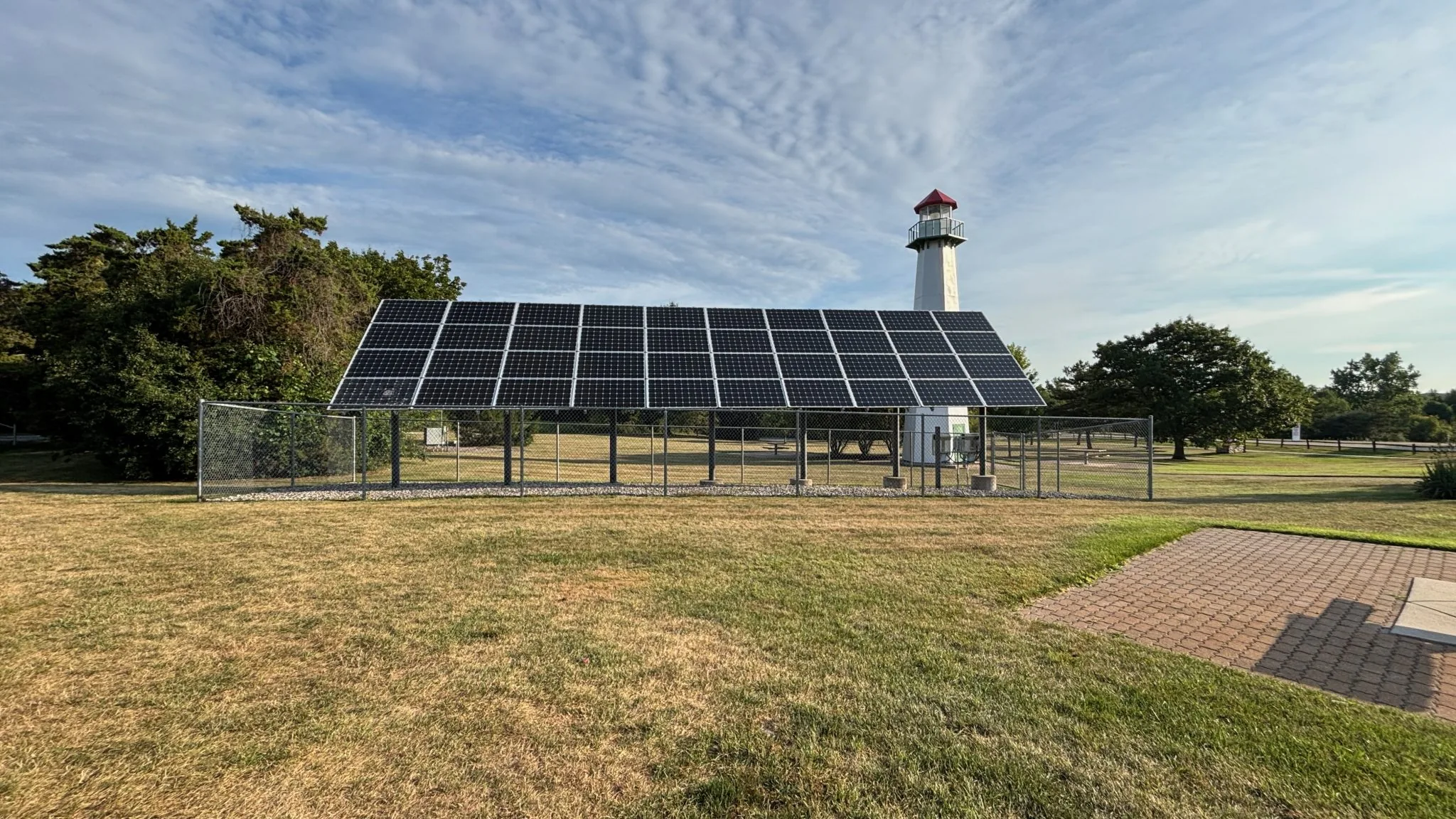
Ground array
Open-site generation
Before you buy
Questions worth asking before anyone drills the roof.
How do you decide how many panels I need?
Start with consumption, usable roof area, orientation, shading and how the building is used during the day. A useful design is not simply the maximum number of panels that fit.
Do I need a battery?
Not automatically. Storage makes sense when the load profile, backup goals or energy strategy justify it. The battery should be sized with the generation profile, not sold as a separate gadget.
Can the system be prepared for an EV or heat pump later?
That future demand belongs in the design brief. Cable routes, inverter choice, available roof capacity and storage strategy can all be considered before installation.
What should a quote actually show?
At minimum, the proposed system components, assumptions, installation scope, monitoring approach and any project-specific warranty or performance terms that have been verified.
Your roof is already there